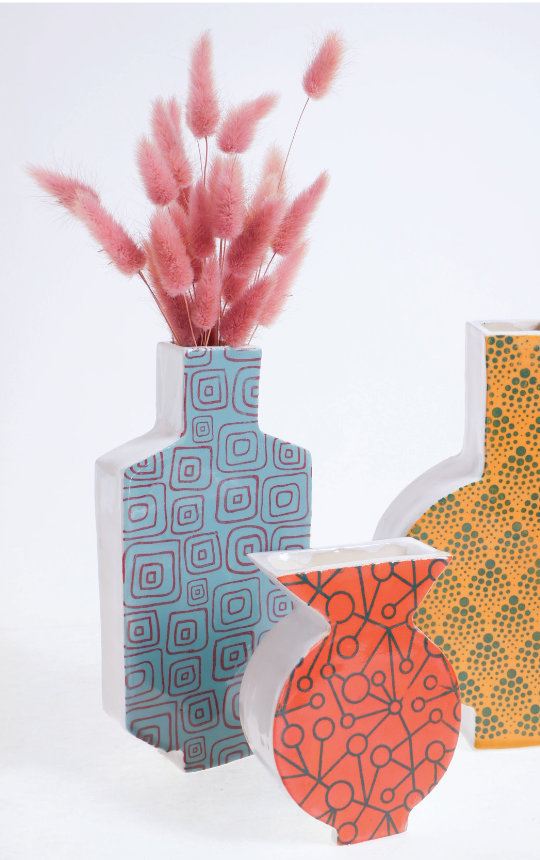
Bring printmaking techniques to ceramics with AMACO Ceramic Inks. Developed specifically for ceramic surfaces, these highly pigmented inks allow artists to create crisp, vibrant prints on greenware or bisque-fired clay using screen printing, monoprinting, and craft foam printing techniques.
The inks produce rich, saturated color that fires true across a wide firing range from Cone 05 to Cone 10. For best results, apply a thin, even layer to the ceramic surface before firing. AMACO Ceramic Inks may be used alone for decorative finishes or beneath a compatible glaze. When paired with an appropriate food-safe glaze and fired correctly, finished functional ware can be food safe.
Perfect for studio potters, ceramic artists, schools, and printmakers looking to expand their creative possibilities on clay.
Features
- Professional ceramic printmaking ink
- Designed for screen printing, monoprinting, and craft foam printing
- Applies to greenware or bisque-fired clay
- Rich, saturated color
- Fires true to color
- Best results with thin, even applications
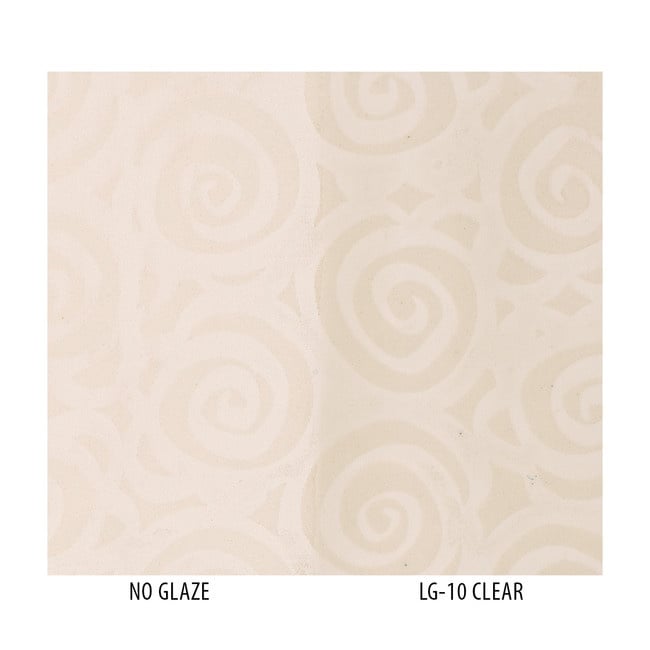
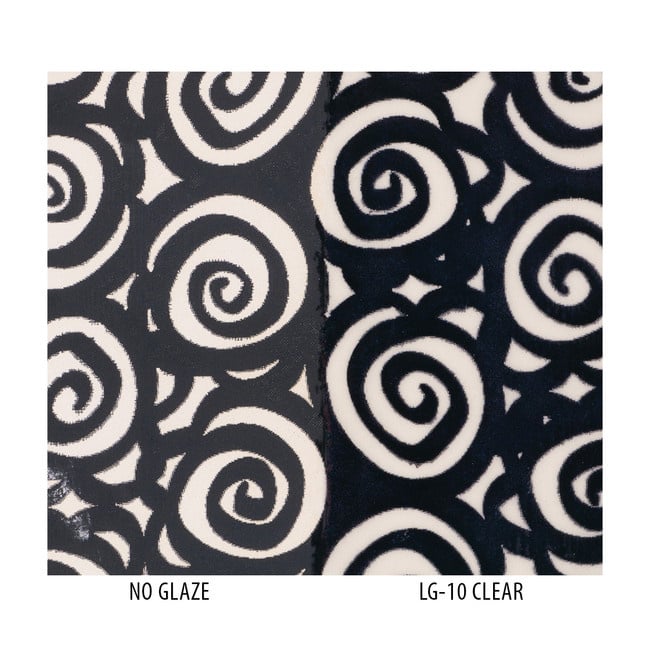
- Can be used with or without glaze
- Food safe when covered with a compatible food-safe glaze and fired properly
- Firing range: Cone 05–10
Specifications
- Brand: AMACO
- Product Type: Ceramic Ink
- Application Surfaces: Greenware and bisque
- Techniques: Screen printing, monoprinting, craft foam printing
- Firing Range: Cone 05–10
- Finish: True fired color
- Food Safe: Yes, when used with an appropriate food-safe glaze
Ideal For
- Ceramic printmaking
- Screen printing on clay
- Monoprinting
- Relief printing
- Craft foam printing
- Pottery decoration
- Functional ceramics
- Ceramic sculpture
- Art classrooms
- Community studios
Bring Printmaking to Clay
AMACO Ceramic Inks allow artists to combine traditional printmaking techniques with ceramics, producing detailed, repeatable imagery that would be difficult to achieve by hand painting alone.
Versatile Across Multiple Firings
Compatible with both greenware and bisque, these inks remain vibrant throughout firing and can be left unglazed for decorative work or covered with glaze for functional pottery and dinnerware.