From White to Wow: How to Paint & Dye Fabric Creatively
From White to Wow: How to Paint & Dye Fabric Creatively
Fabric art opens up a whole new world for your creativity — from custom t-shirts and hand-painted scarves to vibrant tie-dyes and intricate batiks. The key is knowing when to use paints and when to use dyes — each has its own look, feel, and application method.
Paint vs. Dye: What’s the Difference?
Textile paints (sometimes called fabric colors) sit on top of your fabric — they adhere to almost any surface and work well for detailed designs or stenciling.
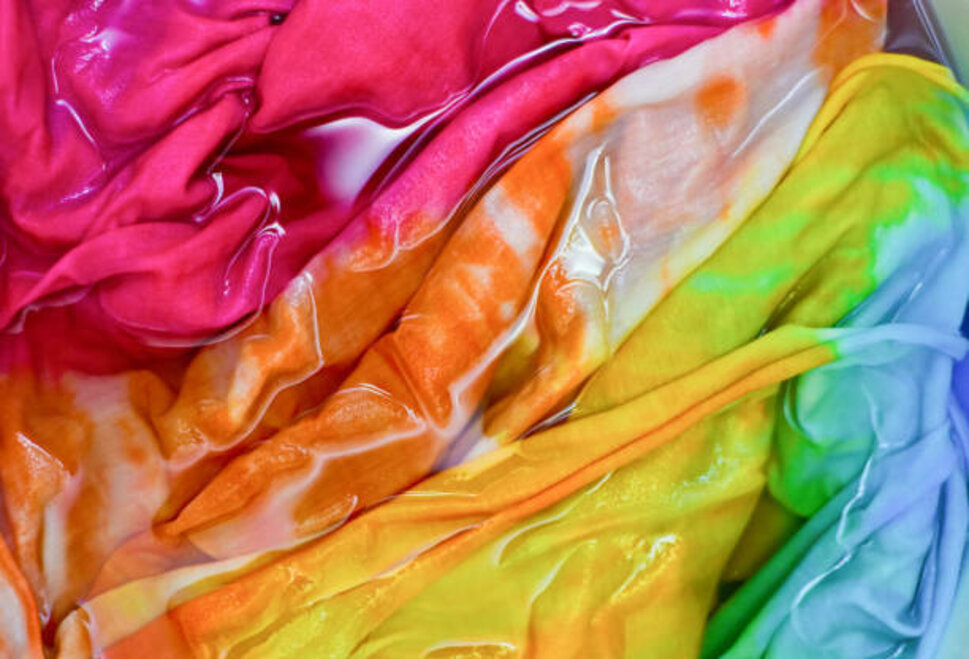
Fabric dyes, on the other hand, penetrate the fibers themselves. They create rich, even color that moves with the fabric, perfect for tie-dye, batik, or all-over color.
Match your dye to your fabric type:
-
Plant fibers: Cotton, flax, rayon, linen
-
Animal fibers: Silk, wool, feathers, cashmere
-
Synthetics: Many man-made fibers have specific dye types
Getting Started with Fabric Painting
Fabric painting is fun, flexible, and beginner-friendly. Here’s how to dive in:
Fabric Markers
The easiest way to start — just draw or write on fabric like paper. Great for small designs and lettering.
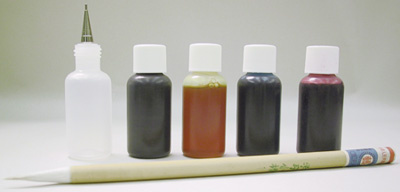
Fabric Paints
Available in squeeze bottles (for direct application) or jars (for brushwork and larger projects). Jar paints give you more options with different brush shapes and sizes.
Pro Tip: Stretch your fabric taut on a wood frame and pin it in place. This prevents shifting and bleeding while you paint.
Getting Started with Fabric DyeingFabric dyeing can be simple or deeply intricate — from one-color dips to layered batik techniques. Prep Your Fabric
|
Choose Your Dye
-
Liquid or powdered dyes: Great for batik, tie-dye, and dye baths.
-
Dye sticks: For drawing or adding direct marks.
-
Resists: Wax or gutta to block off areas for layered designs or “stained glass” effects.
Popular Dye Techniques
-
Batik: Melted wax creates a resist; crackle it for texture, dye, then remove the wax.
-
Tie-Dye: Twist, fold, or tie fabric to create patterns.
-
Dilutents: Thin dyes for blending and watercolor effects.

How to Fix Your Fabric Design
To keep your finished piece permanent and fade-resistant, you’ll need to fix your paint or dye:
Heat-set with a hot iron on the reverse side
Use a steamer over a stove
Follow any specific instructions on your product’s label — some need chemical fixatives
Helpful Hints for Fabulous Fabric ArtStretch fabric tightly on a frame for neat application |
Final Thoughts
Fabric painting and dyeing let you add custom flair to everything from fashion to home décor. Start simple — experiment with markers, brushes, and easy dye baths. The more you practice, the more unique your fabric art will become!
Leave a comment
Recent articles
View all
Paint, Glaze & Gild: Creative Faux Finishing at Home
Soft Color, Bold Art: Discover the Joy of Pastels